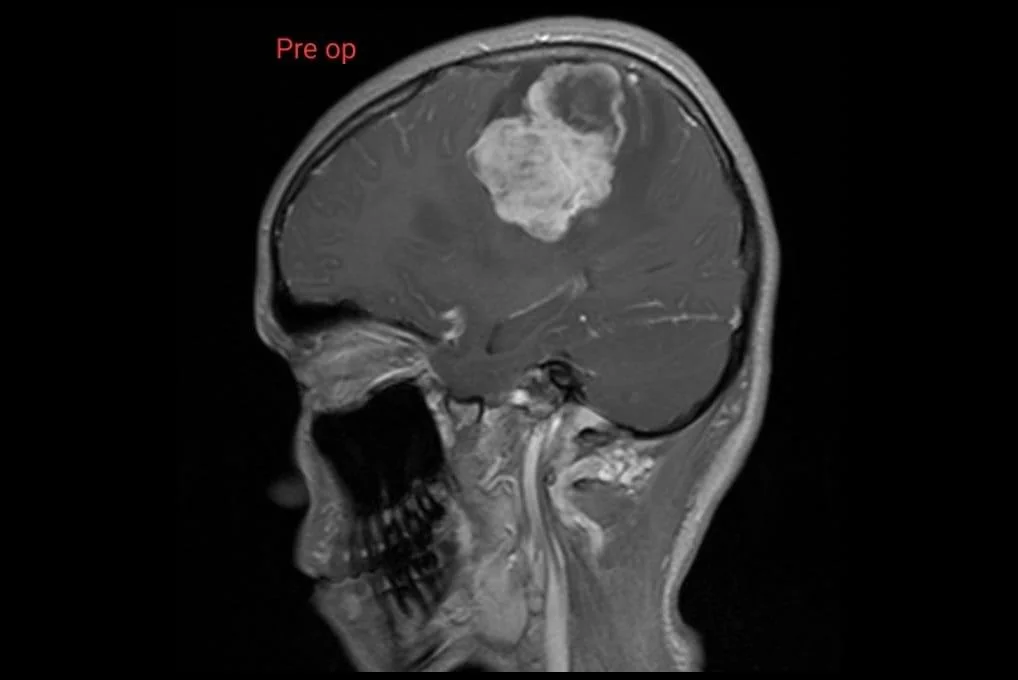
When it comes to brain health, time and awareness are our strongest allies. While many symptoms of brain tumors can mimic common ailments, understanding the patterns and red flags is crucial for early diagnosis and successful treatment.
As a neurosurgeon, I often meet patients who have lived with subtle symptoms for months. Early detection through neuro-imaging can drastically change the treatment landscape. Here are the 10 warning signs you should never ignore.
1. Persistent, Changing Headaches
Not every headache is a cause for alarm, but a brain tumor headache is often different. It might be worse early in the morning, gradually improve during the day, or be accompanied by nausea. If your headaches are becoming more frequent or severe, or if the pattern has changed, it’s time for an evaluation.
2. Unexplained Seizures
Seizures are often the first sign of a brain tumor. If an adult who has never had a seizure experience one for the first time, it is an absolute red flag that requires immediate neurological investigation.
3. Sudden Cognitive or Personality Changes
Brain tumors can press on areas of the brain responsible for mood and personality. Sudden withdrawal, increased irritability, confusion, or difficulty planning and executing simple tasks can be overlooked as "stress," but they may indicate something deeper.
4. Persistent Nausea and Vomiting
Unexplained nausea or vomiting, especially if it occurs in the morning and isn't related to food-borne illness or other common causes, can be a sign of increased intracranial pressure.
5. Vision and Hearing Changes
Double vision, blurred vision, or loss of peripheral vision (especially if it only affects one eye) can occur if a tumor is pressing on the optic nerve. Similarly, gradual hearing loss or ringing in one ear (tinnitus) should be checked.
"The brain is remarkably resilient, but it sends clear signals when something is wrong. Listening to these signals early is the first step toward recovery." — Dr. Agnetia Vinoth
6. Weakness or Numbness in Limbs
Feeling weakness or losing sensation in a specific arm or leg—especially on just one side of the body—is a common symptom when a tumor affects the motor or sensory cortex.
7. Loss of Balance
Difficulty walking, stumbling, or a new loss of coordination can indicate a tumor in the cerebellum, the part of the brain that controls balance.
8. Speech Difficulties
Struggling to find the right words, slurring speech, or difficulty understanding others (aphasia) can occur if a tumor is located in the brain's language centers.
9. Extreme Fatigue
While fatigue is common, the exhaustion associated with a brain tumor is often profound and doesn't improve with rest.
10. Memory Loss
Short-term memory loss or significant forgetfulness that interferes with daily life is another cognitive sign that requires a neurosurgical opinion.
When to see a Neurosurgeon?
If you or a loved one experience one or more of these symptoms persistently, do not wait. A consultation and a simple diagnostic scan like an MRI can provide clarity. Early intervention with modern, minimally invasive techniques allows for safer procedures and better patient outcomes.
Have an MRI or CT Scan Report? Get an Immediate Surgical Second Opinion
Before committing to major surgery, consult with Gold Medalist Neurosurgeon Dr. Agnetia Vinoth. Send your brain MRI scan on WhatsApp for a compassionate, clear assessment within 24 hours.
Written by Dr. Agnetia Vinoth
Dr. Agnetia Vinoth is a leading Neurosurgeon & Spine Specialist dedicated to providing precision care for complex brain and spine conditions.
Book a Consultation