For decades, the mention of "spine surgery" provoked anxiety. Patients envisioned prolonged bed rest, heavy metal rods, and long weeks away from work. Today, the field of neurosurgery has experienced a quantum leap with the advent of Full-Endoscopic Spine Surgery.
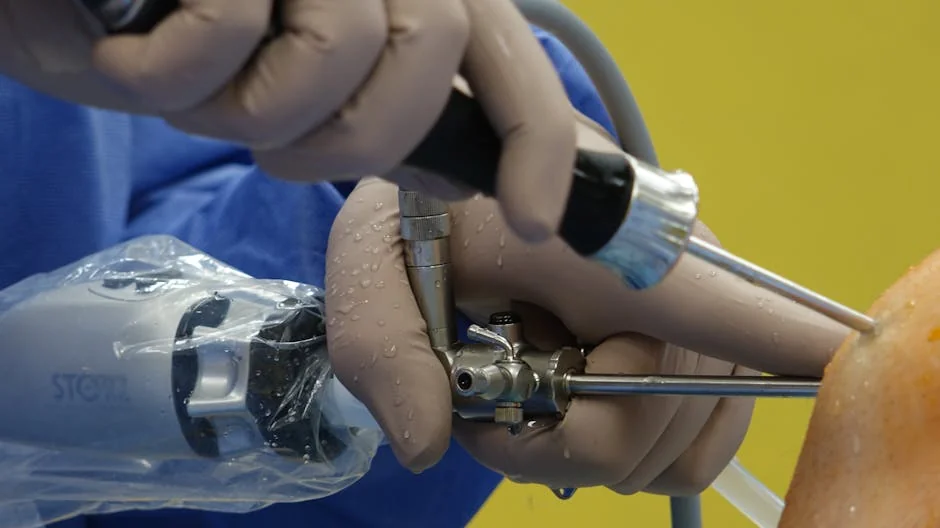
What is Endoscopic Spine Surgery?
Endoscopic spine surgery is an ultra-minimally invasive surgical procedure performed through an incision smaller than 8 millimeters (the diameter of a pencil). Under high-definition 4K endoscopic visualization and continuous saline irrigation, specialized miniature micro-instruments navigate directly to the disc prolapse or bone spur compressing the nerve.
Unlike traditional spine surgery, no back muscles are cut or severed. The surgeon gently dilates the muscle fibers to reach the targeted spinal canal, leaving the natural spinal architecture untouched.
Direct Comparison: Endoscopic vs. Traditional Open Surgery
| Parameter | Endoscopic Spine Surgery | Traditional Open Surgery |
|---|---|---|
| Incision Size | 5 – 7 mm (Keyhole Band-Aid) | 50 – 100 mm (Large cut) |
| Muscle Trauma | Zero muscle cutting (dilated) | Muscles stripped off bone |
| Anesthesia Type | Local Anesthesia / Conscious Sedation | General Anesthesia |
| Hospital Stay | Same day or 24 hours | 4 to 7 days |
| Return to Desk Work | 5 to 7 days | 4 to 8 weeks |
The Recovery Timeline: What to Expect
- Hour 2 Post-Op: The local numbness begins wearing off. Patients stand up and take their first steps unassisted with minimal pain medication.
- Day 1: Most patients are discharged home. Light walking inside the home is actively encouraged.
- Day 5 to 7: Sedentary desk work and computer activities can be resumed comfortably.
- Week 4 to 6: Under physiotherapist supervision, core strengthening and active lifestyle sports can be restarted.
Who is an Ideal Candidate?
Endoscopic techniques excel for patients diagnosed with:
- Lumbar Disc Herniation (L4-L5, L5-S1 slip disc) refractory to 6 weeks of conservative care.
- Severe Sciatica with shooting pain, tingling, or numbness radiating down the calf or foot.
- Foraminal and Lateral Recess Canal Stenosis causing neurogenic claudication.
- Elderly patients with diabetes or cardiac comorbidities who cannot tolerate prolonged general anesthesia.
Consult Dr. Agnetia Vinoth for Endoscopic Spine Surgery
Have you been advised spine surgery in Chennai, Tamil Nadu, or abroad? Receive a precise evaluation to see if you qualify for keyhole endoscopic discectomy.