"Doctor, my MRI report says L4-L5 disc protrusion with nerve compression. Do I need surgery tomorrow?" This is one of the most common questions I hear in my outpatient clinic every single week.
The 80/20 Rule of Spine Disorders
Here is the reassuring clinical reality: over 80% to 85% of lumbar disc herniations heal naturally without requiring an operating room. The human immune system treats the extruded disc fragment as foreign tissue and gradually reabsorbs water from the herniated nucleus pulposus through macrophage activity (a process known as disc resorption).
However, during the initial acute 4 to 8 weeks, the chemical inflammation around the nerve root causes excruciating radiating leg pain—what we medically call Sciatica.
The Three Non-Surgical Steps Before Considering Surgery
- Short-Term Activity Modification: Avoid prolonged sitting and heavy forward bending. Strict bed rest beyond 48 hours is NOT recommended; gentle movement speeds up recovery.
- Targeted Pharmacotherapy: A tailored combination of NSAIDs, short-course steroids, and neuropathic medications to calm the inflamed nerve.
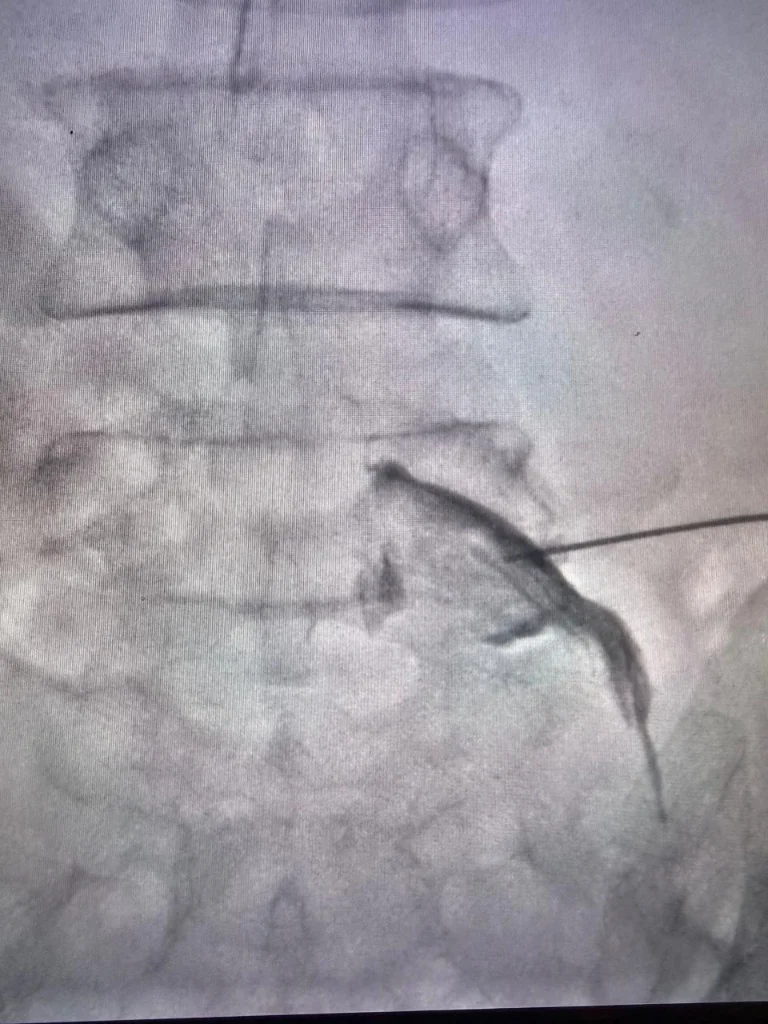
- Fluoroscopy-Guided Selective Nerve Root Block: A 15-minute daycare procedure where anti-inflammatory medicine is injected directly around the irritated nerve sheath under C-arm X-ray guidance. This gives dramatic, rapid pain relief without any cut.
The True Red Flags: When Surgery is Non-Negotiable
While most patients recover conservatively, there are three urgent clinical scenarios where delaying surgery can lead to permanent nerve disability:
🚨 1. Cauda Equina Syndrome:
Sudden loss of bowel or bladder control, or numbness around the private parts (saddle anesthesia). This is a surgical emergency requiring decompression within 24 to 48 hours.
🚨 2. Progressive Motor Weakness (Foot Drop):
Inability to lift your toes or walk on your heels. If nerve compression is choking motor signals to muscles, prompt keyhole microdiscectomy is needed to rescue the nerve.
🚨 3. Intractable Pain Failing 6-8 Weeks of Conservative Care:
When severe pain disrupts sleep, work, and basic daily living despite dedicated physiotherapy and nerve root injections.
Get an Honest Second Opinion on Your Slip Disc
Before consenting to spinal implants or fusion, consult Senior Neurosurgeon Dr. Agnetia Vinoth. We explore non-surgical therapies first, reserving keyhole endoscopy for true indications.