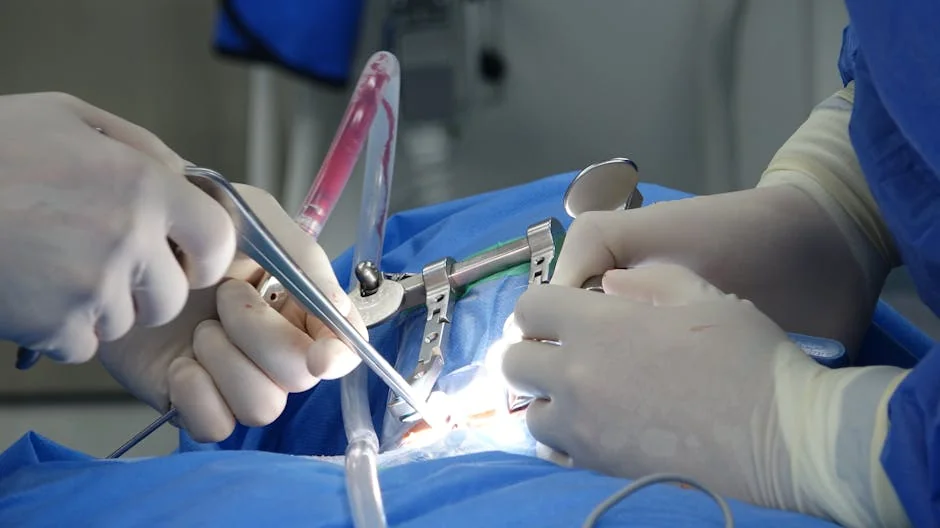
For many patients, the idea of spine surgery is daunting, often associated with long recoveries and significant pain. However, the advent of Minimally Invasive Spine Surgery (MISS) has revolutionized how we treat spinal conditions, offering a path to recovery that is faster and far less disruptive.
As a specialist in MISS, I’ve seen firsthand how these advanced techniques allow patients to return to their families and work much sooner than traditional "open" surgery. Let's delve into what makes MISS the gold standard for many spinal procedures today.
What is Minimally Invasive Spine Surgery?
Unlike traditional surgery, which requires a large incision to view and access the anatomy, MISS utilizes small incisions and specialized instruments. We use tubular retractors to create a tunnel to the problem area, pushing muscles aside rather than cutting through them. This preservation of muscle tissue is the "secret sauce" behind the rapid recovery times.
The Key Benefits
1. Minimal Scaring
With incisions often less than an inch long, the visible scar is minimal, leading to better cosmetic results and less internal scar tissue.
2. Less Post-Operative Pain
Because we avoid cutting major muscle groups, patients experience significantly less pain immediately after surgery and require fewer pain medications.
3. Reduced Risk of Infection
Smaller incisions and less tissue exposure naturally lead to a lower risk of post-operative infections and blood loss.
"Our goal isn't just to fix the spine—it's to return the patient to their life with as little 'surgical debt' as possible." — Dr. Agnetia Vinoth
What to Expect During Recovery?
The recovery timeline for MISS is one of its most attractive features. While every patient is unique, the general pattern is as follows:
- Day of Surgery: Many patients can walk and even go home the same day.
- Week 1-2: Most patients can resume light daily activities and desk work. Localized soreness is usually managed with mild analgesics.
- Week 4-6: Physical therapy often begins here to strengthen the core and ensure long-term spinal health.
Is MISS Right for You?
MISS is highly effective for conditions like herniated discs, spinal stenosis, and certain types of spinal instability. However, it is not for everyone. A thorough consultation, including a review of your imaging (MRI/CT), is necessary to determine if you are a candidate for a minimally invasive approach.
If you’ve been living with chronic back or leg pain, don't let the fear of surgery hold you back. Modern neurosurgery offers solutions that are precise, safe, and designed for your quick return to health.
Told You Need Major Open Spine Surgery?
Discover if you qualify for keyhole endoscopic spine surgery with same-day walking and a 3-day recovery. Send your MRI report directly on WhatsApp for Dr. Agnetia Vinoth's personal evaluation.
Written by Dr. Agnetia Vinoth
As a Neurosurgeon & Spine Specialist, Dr. Agnetia Vinoth specializes in the latest minimally invasive techniques to ensure the best outcomes for his patients.
Book a Consultation